
MARKETSNAP Daily Stock Market Analysis: March 27, 2026
Welcome to MARKETSNAP’s daily stock market analysis for March 27, 2026. Today’s market landscape is marked by significant volatility, driven by geopolitical tensions, declining major indexes, and standout performances in specific sectors. This article breaks down the key events, trends, and insights for long-term investors navigating both short-term noise and broader opportunities. Let’s explore the critical developments shaping the financial markets.
Market Highlights
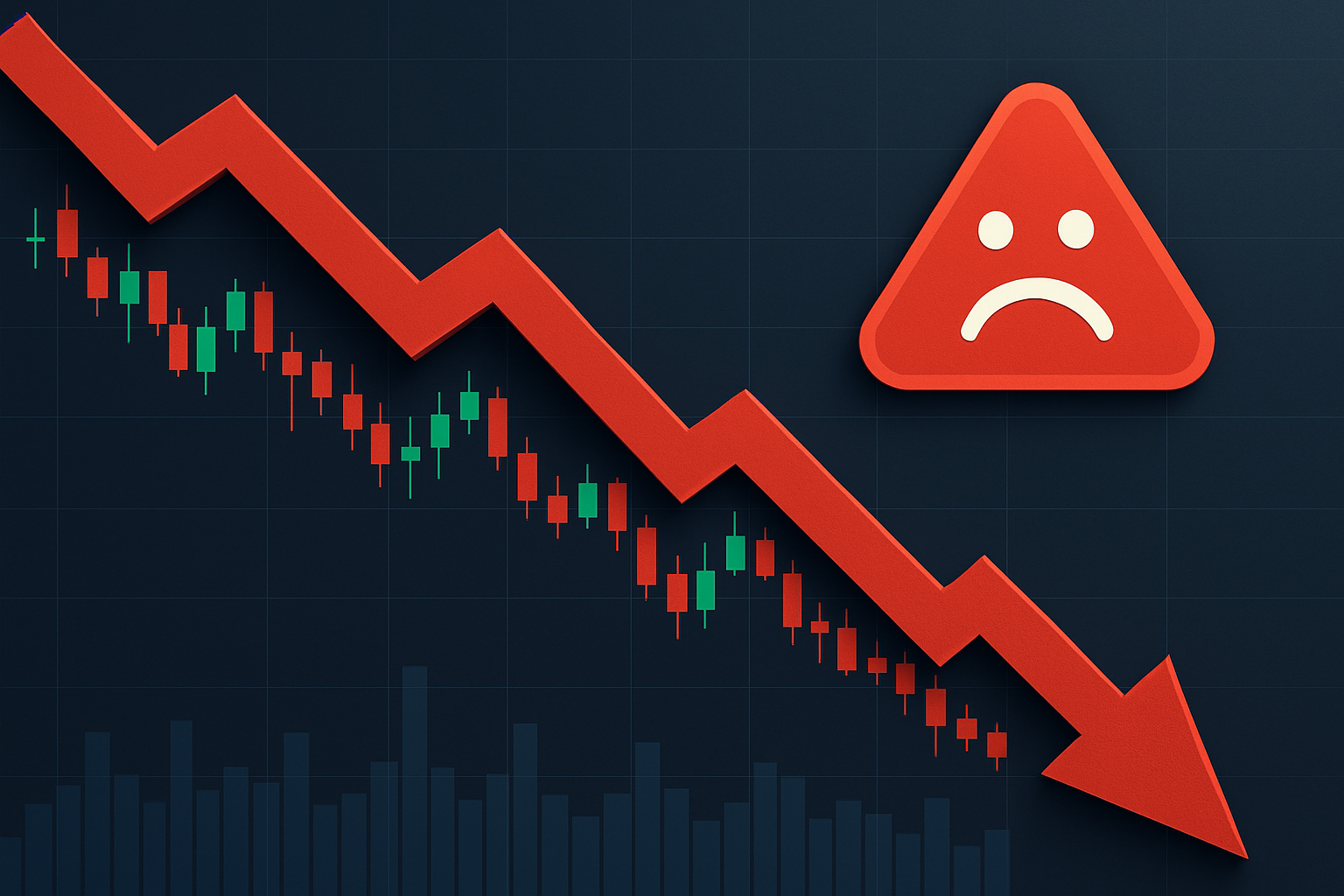
The broader market experienced a challenging session, with all major indexes closing in negative territory. The Dow Jones Industrial Average declined nearly 2%, reflecting widespread investor caution. The Nasdaq Composite faced even steeper losses, dropping over 2% as technology stocks bore the brunt of the sell-off. Similarly, the S&P 500 fell by approximately 1.7%, while the Russell 2000 mirrored this downward trend.
A primary driver of this market weakness is the escalating conflict involving Iran, which has heightened geopolitical uncertainty. This tension has pushed the VIX, often referred to as the market’s “fear gauge,” above 13%, signaling increased volatility. For long-term investors, such pullbacks may present buying opportunities, though caution remains essential given the unpredictable nature of geopolitical risks.
Focusing on specific indexes, the S&P 500 is now down roughly 8% from its recent highs. Analysts have raised concerns about tighter financial conditions, particularly with soaring oil prices adding pressure. However, earnings forecasts remain relatively resilient, providing a potential buffer against further declines. Meanwhile, the Nasdaq has officially entered correction territory, with this week’s losses tied to fears of rising energy costs impacting tech-heavy growth sectors. Historical patterns suggest that technology often recovers from such dips, particularly if geopolitical tensions subside, making this a space to monitor closely.
Key Drivers and Sector Movements
Geopolitical and Economic Pressures
The ongoing conflict with Iran continues to dominate market sentiment. Oil prices have surged past $110 per barrel due to supply constraints in the Strait of Hormuz, creating a ripple effect across global markets. This energy shock has contributed to a sharp decline in consumer sentiment for March, as fears of higher gas prices and inflation weigh on household budgets. Some analysts have even raised the specter of “stagflation,” a term reminiscent of the 1970s, as a potential risk if these conditions persist. For long-term investors, this underscores the importance of monitoring inflation-resistant sectors and considering safe-haven assets like gold.
Large-Cap Standouts and Strugglers
Despite the broader market downturn, certain large-cap stocks have emerged as bright spots, particularly in energy and precious metals. Companies such as Entergy and Halliburton posted gains, capitalizing on elevated oil prices. Similarly, Wheaton Precious Metals and AngloGold Ashanti benefited from gold’s appeal as a hedge against uncertainty, offering potential stability for portfolios in volatile times.
Conversely, technology and consumer-focused large-caps faced significant pressure. Amazon and Meta Platforms each declined by around 4%, reflecting sector-wide weakness. Cybersecurity firms like Palo Alto Networks and CrowdStrike also saw sharp drops of nearly 6%, driven by concerns over competition in the AI space. For patient investors, these overcorrections in tech may signal attractive entry points, provided fundamentals remain intact.
Market Movers and Trading Activity
Among the most actively traded stocks, heavyweights like NVIDIA, Amazon, and Tesla dominated volume, though each experienced selling pressure. NVIDIA slipped a few percentage points despite its strong position in the AI boom, while Tesla also faced declines. Other market movers, including Apple, Microsoft, and Alphabet, mirrored the risk-off sentiment with losses, though Micron Technology managed a slight gain, recovering from recent weakness in memory stocks. These fluctuations highlight the importance of diversification to mitigate the impact of sector-specific swings.
Earnings and Sector Trends
Earnings season provides critical insights into economic health, and today’s reports offer mixed signals. Carnival Corporation delivered a strong Q1, surpassing expectations with robust demand and record bookings, a positive indicator for consumer discretionary exposure. Looking ahead, upcoming reports from companies like Lululemon, FedEx, and Nike will shed light on consumer spending and logistics trends, key barometers for the broader economy. For long-term investors, these results are an opportunity to reassess core holdings and identify emerging patterns.
Over the past week, sector performance has varied widely. Industrials led with a 2% gain, followed by consumer cyclicals, while energy surged over 4%, buoyed by rising oil prices. On the weaker side, healthcare, utilities, and financials underperformed, reflecting investor uncertainty about traditional safe-haven sectors. Weekly large-cap gainers included Garmin, up over 21%, alongside Shopify and Occidental Petroleum with double-digit gains. Conversely, Genuine Parts and Rivian posted significant losses, down 20% and 14%, respectively, highlighting sector-specific challenges but also potential oversold opportunities.
Looking Ahead
As geopolitical tensions and economic pressures continue to shape market dynamics, long-term investors must balance cyclical exposure with defensive strategies. The current environment, marked by heightened volatility and sector rotation, underscores the value of focusing on quality companies with strong fundamentals. Upcoming earnings reports and developments in the Iran conflict will likely influence near-term sentiment, while historical patterns in tech and energy suggest potential recovery opportunities if conditions stabilize.
Conclusion
This concludes today’s market analysis from MARKETSNAP. The combination of geopolitical uncertainty, declining indexes, and standout sector performances paints a complex picture for investors. By staying informed and maintaining a long-term perspective, opportunities can be found even amidst the current challenges. Keep an eye on evolving trends and key reports in the days ahead as we navigate these turbulent waters.